Why Your Low Back Hurts After Golf (And What Actually Fixes It)
Most golf back pain is not a damaged spine. It is a back doing rotation work your hips and upper back are not sharing. Build that rotation and strength, and most golfers play more rounds with less pain.
Why golf is hard on the low back
The golf swing is a rotation sport played at high speed. That rotation is supposed to come mostly from your hips and your upper back.
Your low back is built more for stability than for twisting. When your hips are stiff or your upper back does not turn, the low back makes up the difference. Do that a few hundred times a round, plus range balls, and it adds up.
That is why low back pain is one of the most common complaints we see in golfers. It is usually not one bad swing. It is a body asked to do more rotation than it currently has the capacity for.
Pain is not damage, and rest is not rehab
Back pain feels alarming. But pain is a protective signal, not a damage report. Most golfers with back pain have nothing seriously wrong with their spine.
That matters, because fear changes how you move. Golfers who are afraid of their back stop turning, guard every swing and often end up stiffer and more sore.
Rest can calm a flare up for a few days. It does not build the rotation or strength that caused the problem in the first place. Sitting out the season usually means you come back with the same back and less fitness. The goal is to keep moving, adjust how much you play, and build capacity while you do it.
What actually fixes it: four things to build
- Hip rotation. Your lead hip has to turn in on the downswing. If it cannot, your low back twists instead. Hip rotation drills and strength through that range give the swing somewhere better to come from.
- Upper back rotation. A stiff upper back is common in golfers who sit a lot. More rotation here means less twisting lower down.
- Trunk strength and control. Your trunk should transfer force from the ground to the club. Strong, controlled trunk muscles let you rotate hard without your low back taking the hit.
- Glute and leg strength. Power in a good swing starts from the ground. Stronger hips and legs mean your back does less of the work.
One more thing that helps right away: warm up before you play. Most golfers walk from the car to the first tee. Try our 3 minute golf warm up before your next round. It takes less time than a bucket of range balls.
When to see a physical therapist
See a physical therapist if:
- Your back hurts during or after most rounds
- Pain has lasted more than a couple of weeks or keeps coming back
- You have lost rotation, distance or consistency
- You are playing less because you are worried about your back
A good evaluation looks at your hips, upper back, trunk strength and your actual swing, not just where it hurts.
See a doctor first if you have numbness or weakness in your legs, changes in bowel or bladder control, pain after a fall or accident, fever, or pain that is severe at night and does not ease with rest.
Frequently asked questions
Should I stop golfing if my back hurts?
Usually not. Most golfers can keep playing with some changes, like fewer holes, fewer range balls or a shorter backswing, while they build strength and rotation.
Is my swing causing my back pain?
Sometimes, but usually your swing is a symptom. If your hips and upper back do not rotate well, your swing finds the motion somewhere else, often the low back.
Can physical therapy help my golf game?
Often, yes. Better hip and upper back rotation and a stronger trunk help your back and can add speed and consistency.
How long does golf back pain take to improve?
Many golfers feel a difference within a few weeks of the right plan. Building lasting capacity takes longer, and you can usually keep playing while you do it.
Do older golfers benefit from this?
Yes. Strength and mobility respond to training at any age. We adjust the plan to your body and your goals.
Your next step
Back pain does not have to end your season. Build the rotation and strength your swing needs, and golf gets easier on your body.
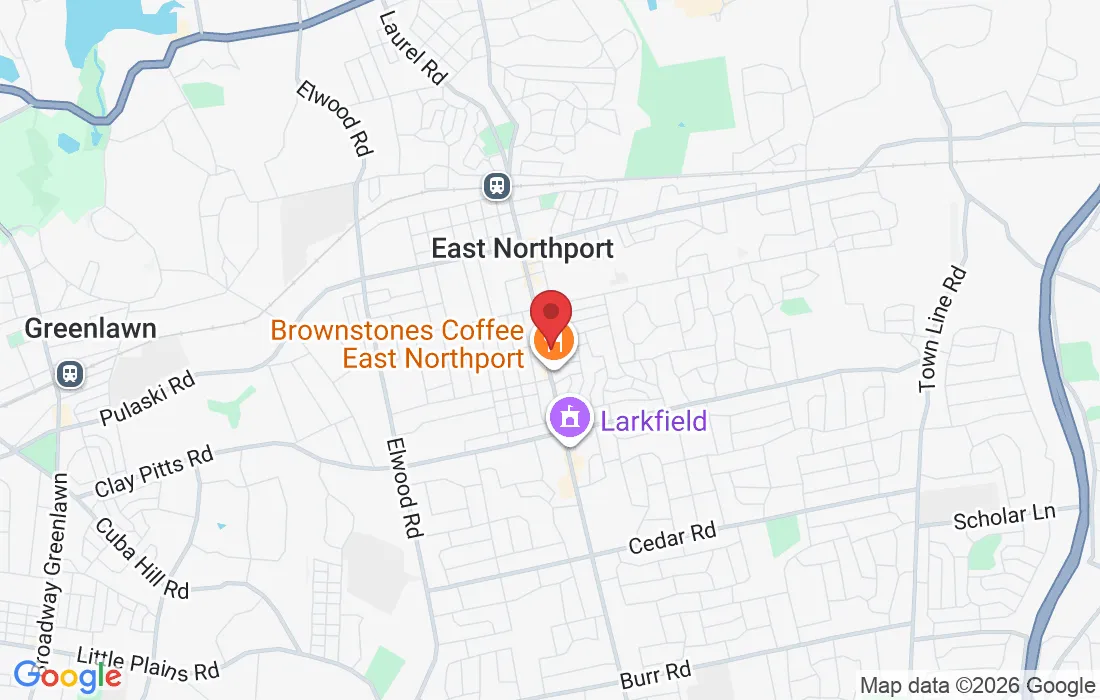
At Intent Rehab & Performance in East Northport, every session is a full hour, one on one with our physical therapist. Your plan includes your actual swing. Learn more about our golf physical therapy, or reach out to talk about getting you back to full rounds.